


Yes, Miami is worth visiting if you want more than a beach day: Wynwood street art, Little Havana food, Vizcaya’s gardens, and Biscayne Bay all sit within a 15-minute drive of each other. It is less worth it for travelers who want cheap, cool, and quiet. Three to four days covers the core.
Key Takeaways
- Is Miami worth visiting in 2026? Yes for art, food, architecture, and nightlife seekers; probably not for budget travelers chasing mild summer weather.
- Greater Miami and Miami Beach welcomed 28.3 million visitors in 2026, according to the Greater Miami Convention & Visitors Bureau.
- Plan on three to four days and a mid-range budget of roughly $200 to $250 per day for lodging, food, activities, and transport.
- November through March brings mild, dry weather and peak prices; June through September is hotter, more humid, and usually better value.
- Most non-beach highlights (Wynwood, Little Havana, Vizcaya, the Design District) are 10 to 15 minutes apart by car, so a rental home in the middle of it all beats a single-neighborhood hotel for many groups.
At Retreats Miami, we manage seven luxury vacation rentals from South of Fifth on Miami Beach to Coconut Grove and the Design District, so guests ask us this question constantly. The honest answer depends on how you travel, what month you land, and where you sleep. This guide gives you a candid verdict by traveler type, a sample budget, realistic travel times, and a non-beach itinerary you can follow.
Competing guides tend to list attractions without telling you whether Miami fits your trip. We do the opposite: we name the downsides, flag the months to avoid, and tell you who should pick a different destination.
Is Miami Worth Visiting Beyond the Beach?
Miami is worth visiting beyond the beach because its appeal rests on neighborhoods with distinct identities: Art Deco South Beach, Cuban-American Little Havana, mural-covered Wynwood, and leafy Coconut Grove. Each works as its own trip, which helps explain why the Greater Miami Convention & Visitors Bureau counted 28.3 million visitors in 2026.
The shoreline matters, but it is the smallest part of what separates Miami from other Florida beach towns. You can spend a morning at Wynwood Walls, eat lunch on Calle Ocho, and watch the sun set from a Biscayne Bay boat without repeating a scene. The Miami neighborhoods directory from the visitors bureau is a useful starting map.
If your idea of Miami is only sand and wristbands, you will still have a good time. You would just pay peak-destination prices for a fraction of what the city offers.
What Are Five Reasons to Visit Miami?
The five strongest reasons to visit Miami are its art scene, Cuban food and culture, Art Deco architecture, access to water and wilderness, and nightlife. Two more, year-round warmth and short transfers between neighborhoods, round out seven reasons that hold up well beyond the photos you have already seen.
1. Street art and museums
Wynwood Walls is an outdoor mural complex that anchors the Wynwood neighborhood, and Pérez Art Museum Miami sits on the bay downtown. Frost Science Museum is a few steps away. Go on a weekday morning; weekends bring tour groups and long lines.
2. Cuban food and culture in Little Havana
Calle Ocho is the neighborhood’s main street. Versailles is the famous Cuban restaurant, and Ball & Chain is the live-music bar. Both draw tourists, but both also draw locals, which is rare. Go for a late lunch to avoid the dinner rush.
3. Art Deco architecture
South Beach’s pastel Art Deco district is one of the most photographed collections of 1930s buildings anywhere. The best light comes early, before Ocean Drive fills up.
4. Water and wild places
Bill Baggs Cape Florida State Park at the tip of Key Biscayne offers swimming, biking, and fishing. Everglades National Park and Biscayne National Park are the larger day trips. Plan on a half day each.
5. Gardens and historic estates
Vizcaya Museum and Gardens is a bayfront estate in Coconut Grove, and Venetian Pool in Coral Gables is a freshwater quarry pool with waterfalls. Both reward a slow morning.
6. Nightlife with range
Miami nightlife runs from South Beach clubs to quiet rooftop bars. Where you stay decides which version you get.
7. A warm winter
Winter highs are typically in the high 70s Fahrenheit with little rain, which is why northerners fill the city from November onward.
How Many Days Do You Need in Miami?
You need three to four days in Miami to cover a beach day, two or three neighborhoods, and one signature experience such as a boat tour or an Everglades trip. Five to seven days gives you room for a Florida Keys day trip and a slower pace.
A weekend works if you stay disciplined. Pick one beach morning, one art afternoon, and one big dinner. Staying in a place with its own pool lets you recover between outings without losing a day to transit.
| Trip length | What fits | Best for |
|---|---|---|
| 2 days | One beach day, one neighborhood, one dinner | Regional weekend travelers |
| 3 to 4 days | Beach, Wynwood, Little Havana, Vizcaya, boat tour | First-timers |
| 5 to 7 days | All of the above plus Everglades or a Keys day trip | Families, groups, workations |
What Is the Best Time of Year to Visit Miami?
The best time to visit Miami is typically November through April for warm, dry weather, though it is also peak season with higher prices and larger crowds. Late April through May and October through early November are shoulder windows with fewer people. June through November is hurricane season.
Nomadic Matt notes winter highs in the high 70s and recommends late February through May for a spring visit, with spring-break crowds as the caveat in March. Summer is hotter, more humid, and prone to afternoon thunderstorms, but it is usually quieter and better value. If you travel in August or September, buy flexible bookings and keep a rainy-day plan, such as the air-conditioned galleries at Pérez Art Museum Miami.
| Season | Weather | Crowds and cost | Plan around |
|---|---|---|---|
| November to April | Warm, dry | High prices, big crowds | Book early; Art Basel in December |
| May and October | Hotter, some storms | Shoulder pricing | Check forecasts |
| June to September | Hot, humid, rain | Quieter, better value | Hurricane season; flexible cancellation |
Art Basel Miami Beach, held every December, fills hotels fast. Our guide to where to stay near the fair covers the logistics. Pricing and availability change, so confirm rates on the booking page.
How Much Does a Miami Vacation Cost Per Day?
A mid-range Miami vacation costs roughly $200 to $250 per day for accommodation, food, activities, and transportation. South Beach lodging and Ocean Drive dining sit at the high end. Costs drop in summer and in neighborhoods outside the beach strip.
For groups, the math shifts. Splitting a multi-bedroom home across several couples often undercuts a row of hotel rooms, and a full kitchen trims restaurant spending. We break that comparison down in our look at vacation rental versus hotel for a Miami group trip.
| Budget line | What drives it |
|---|---|
| Lodging | Season, neighborhood, group size; South Beach costs most |
| Food | Cuban lunch counters are cheap; waterfront steakhouses are not |
| Transport | Rideshare or a rental car; Metromover and trolley help in limited areas |
| Attractions | Many murals and parks are free; museums and boat tours charge admission |
Two savings habits matter most. Eat your biggest meal at lunch, when Cuban counters and set menus cost far less than dinner, and group your sightseeing by neighborhood so you pay for fewer rideshares. Parking at beachfront restaurants and attractions adds up quickly, so ask your host what parking is included before you book.
Miami Beach also adds a city Resort Tax, and Miami-Dade collects a tourist tax on short rentals; see the county’s Tourist and Restaurant Taxes page for current treatment. Taxes and fees are subject to change.
Who Will Love Miami, and Who Should Skip It?
Miami suits travelers who value food, art, architecture, and nightlife and who tolerate heat, traffic, and premium pricing. It suits less well anyone seeking quiet budget beach time, cool summer weather, or a fully walkable city with no car or rideshare costs.
- Couples: Yes, if you pick a residential pocket. South of Fifth is calm; Ocean Drive is not. See our tips on how couples can skip South Beach spring break.
- Bachelorette and birthday groups: Yes, with a private pool house in the Design District or Brickell area.
- Families: Yes, but plan for sun, heat, and drive times. Crandon Park and Bill Baggs Cape Florida State Park suit kids.
- Budget backpackers: Probably not in peak season.
- Remote workers: Yes, if your rental has reliable WiFi and a real desk.
The downsides are real: summer humidity, afternoon storms, traffic between neighborhoods, and high-season prices. If you dislike driving or paying for rideshares, pick one base and stay close to it.
How Far Apart Are Miami’s Neighborhoods?
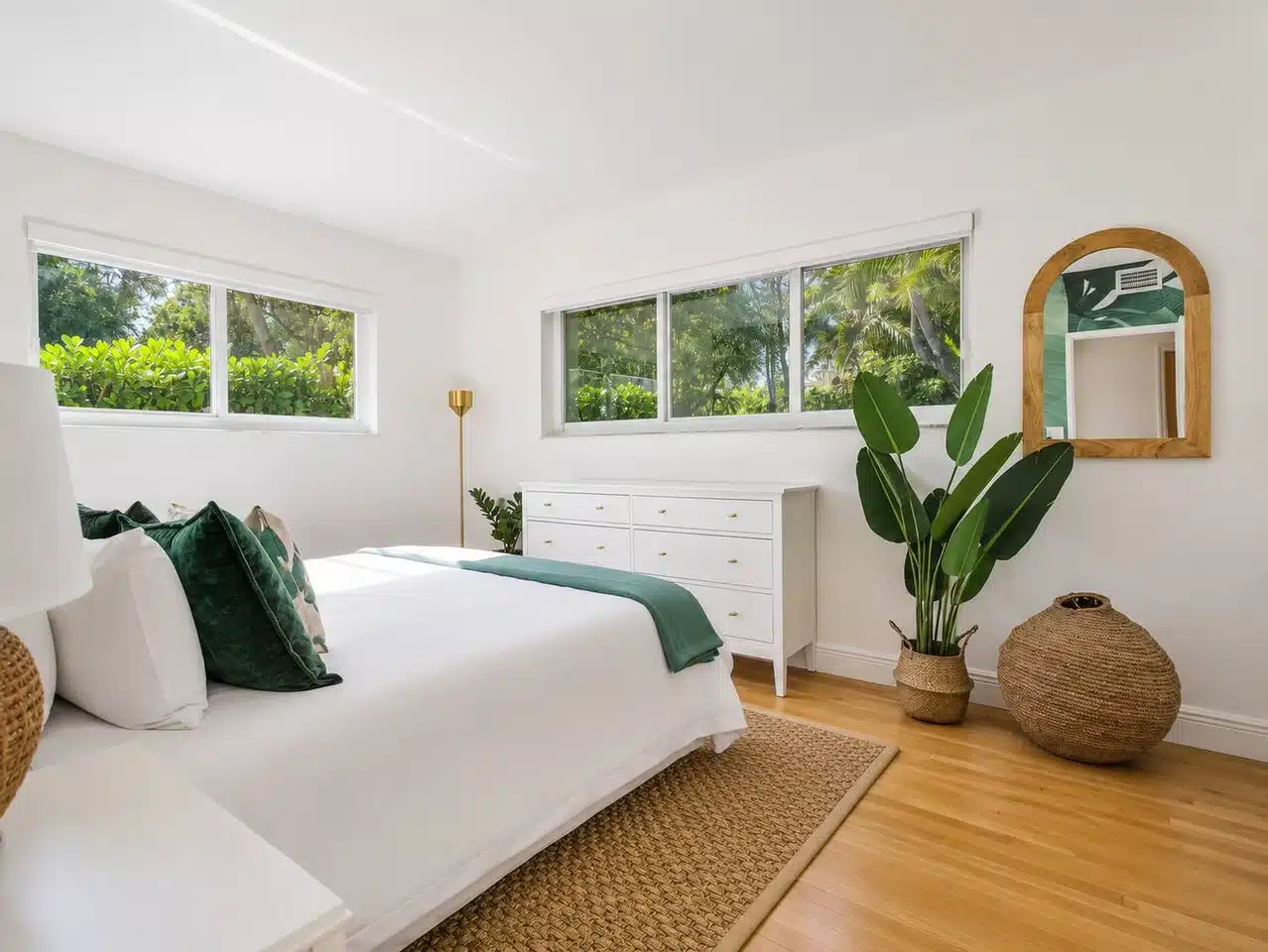
Miami’s neighborhoods are typically 10 to 15 minutes apart by car in light traffic, with a causeway crossing between Miami Beach and the Design District. Wynwood, Little Havana, Vizcaya, and Brickell cluster closely, while the Everglades and Biscayne National Park require half a day.
Using our own homes as reference: from 404th 360 Collins in South of Fifth, Lincoln Road is about 0.3 miles away, and Wynwood Walls is about 3.8 miles, roughly 15 minutes by car. From the Design District, 530 sits about 1 mile from Wynwood Walls, a roughly 25-minute walk. Traffic changes everything, so round up.
For a deeper neighborhood breakdown, read 7 Miami areas matched to your trip type and our neighborhood and rental guide.
What Does a Non-Beach Miami Itinerary Look Like?
A non-beach Miami itinerary links Wynwood Walls, Little Havana, Vizcaya, Pérez Art Museum Miami, and a Biscayne Bay boat tour across three days, grouped by neighborhood so you drive less. Expect two to three stops per day with a long lunch built in.
- Day one, Wynwood and the Design District: Start at Wynwood Walls on a weekday morning. Browse the Bakehouse Art Complex or the Margulies Collection, then spend the afternoon in the Design District’s galleries.
- Day two, Little Havana and Coconut Grove: Eat lunch at Versailles, walk Calle Ocho, then tour Vizcaya Museum and Gardens. Finish with drinks at Ball & Chain.
- Day three, downtown and the bay: Visit Pérez Art Museum Miami or Frost Science Museum, then take a Biscayne Bay boat tour. Downtown and Brickell also offer Metromover access.
Staying close to Vizcaya matters if you want mornings there. 120 Shore in North Coconut Grove is about 0.4 miles from the museum, a roughly 10-minute walk, and sleeps 12 across 6 bedrooms with a private saltwater pool and a hot tub. For more picks, see Miami attractions locals actually recommend.
Where Should You Stay to Make Miami Worth It?
Where you stay shapes whether Miami feels worth it. Pick South of Fifth for quiet beach access, the Design District for art and dining, or Coconut Grove for gardens and bay views. A private home with a pool often beats a hotel for groups of six or more.
404th 360 Collins is a top-floor corner penthouse one block from the sand, with over 330 reviews and more than 10 years of hosting. It has 2 bedrooms (a king and a queen), a queen sofa bed, 2 bathrooms, and sleeps 6. The covered balcony looks over pastel Art Deco rooftops, beach chairs and an umbrella are stocked, and a free garage spot is included. Quiet hours start at 10 PM, so skip it if your group wants late nights.
Smaller parties can look at 402nd 360 Collins, a coastal-styled condo with a Walk Score of 95 and a private Juliette balcony. It lists 2 bedrooms and 2 bathrooms, comfortably fitting 2 to 4 guests.
Groups that want space and privacy have more options. 1430 is a pet-friendly villa with 4 bedrooms, 3 bathrooms, a heated saltwater pool, mini-golf, and a fire pit; it sleeps 12 and is about 1.1 miles from Vizcaya. In the Design District, 520 offers 5 bedrooms and a heated pool, and the Compound joins two villas behind a private gate for up to 20 guests across 10 bedrooms.
Booking direct skips the platform service fee; our breakdown of book direct versus Airbnb explains where your money goes. Rates and availability change, so check the booking page.

What Are Some Downsides to Visiting Miami?
The main downsides of visiting Miami are heat and humidity, summer afternoon thunderstorms, hurricane season from June to November, traffic between neighborhoods, and high peak-season prices. South Beach is also the busiest and most expensive area for first-timers.
A few practical fixes help. Book flexible cancellation if you travel between June and November. Carry sun protection and plan outdoor time before noon. Budget for rideshares, since the Miami Beach Trolley is free but limited in range. If you want quiet, avoid Ocean Drive on weekend nights.
Before booking any rental, confirm it is licensed. Miami Beach’s Practice Safe Renting page explains how to verify a listing, and rules vary by municipality.
Frequently Asked Questions
Is Miami worth visiting for a first-time trip?
Yes. A first trip of three to four days lets you combine a beach day with Wynwood, Little Havana, and one bay or nature experience. Go between November and April for the most reliable weather, and expect higher prices.
What is Miami known for besides its beaches?
Miami is known for Art Deco architecture, Cuban culture in Little Havana, Wynwood street art, Art Basel Miami Beach every December, and Biscayne Bay. Museums like Pérez Art Museum Miami and Vizcaya also draw visitors.
How long do you need to spend in Miami?
Three to four days covers the main highlights. Five to seven days adds a Florida Keys day trip or a slower pace. A weekend works if you limit yourself to one or two neighborhoods.
What is a good time to visit Miami?
November through April is warm and dry but busy and expensive. May and October are shoulder months with fewer crowds. June through September is hotter and more humid, and hurricane season runs June through November.
How much does a Miami vacation cost per day?
Expect roughly $200 to $250 per day at mid-range for lodging, food, activities, and transport. Costs rise in South Beach and during peak season, and fall in summer and outside the beach strip.
Where should you stay for the best Miami trip?
Retreats Miami manages seven luxury vacation rentals, from a South of Fifth penthouse to Design District and Coconut Grove villas with private pools. Choose South of Fifth for quiet beach access, the Design District for galleries and dining, and Coconut Grove for Vizcaya and bay views.
What are some downsides to living in or visiting Miami?
Heat, humidity, traffic, hurricane season, and high prices are the main complaints. You can reduce the impact by traveling in shoulder months, choosing flexible bookings, and staying in one central neighborhood.
So, Is Miami Worth Visiting in 2026?
Miami is worth visiting in 2026 if you want art, food, architecture, and water in one trip and you plan for the heat and the cost. Three to four days between November and April is the safe bet; summer rewards flexible travelers with better value.
The destination keeps growing: 28.3 million visitors in 2026, with major 2026 events on the calendar that the visitors bureau expects to lift demand. Pick one home base, group your outings by neighborhood, and you will see why the city draws repeat guests.
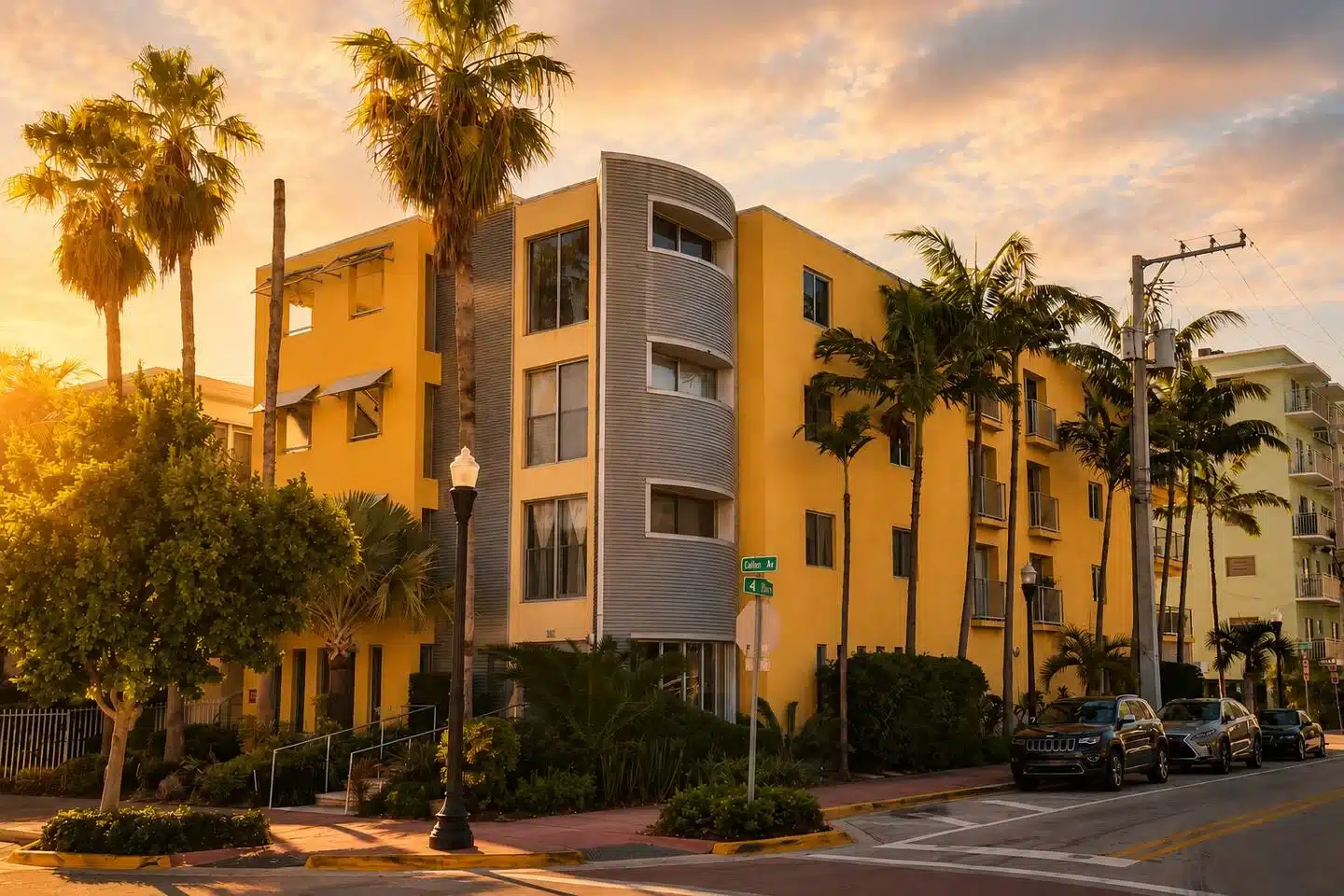
If a quiet South of Fifth base appeals, 404th 360 Collins puts the beach one block away and Joe’s Stone Crab and South Pointe Park within easy reach. Check availability here, or browse all seven homes at Retreats Miami.
Content powered by inkSTR.co